





Choosing a dog for your family is not simply about selecting a breed you find attractive or likeable. A dog shares your daily life for many years, so their energy level, temperament, training needs and ability to live with children need to match your lifestyle. Here are the main criteria to consider before making your choice.
What to remember before choosing
The right question is not “what is the best breed?” but “what kind of dog genuinely fits our daily life?”. Energy, temperament, children, health, available time and budget matter more than a simple breed ranking.
1. Start with your lifestyle, not the breed
Before comparing breeds, look at your daily life. Do you live in a flat or a house with a garden? How much time can you devote to walks? Will the dog be left alone for several hours a day? Are your weekends usually active or relaxed?
A very active dog can be perfectly happy in a flat if their exercise needs are genuinely met. Conversely, a large garden does not replace walks, interaction or activities with their owner. The right choice is therefore the one that matches your real routine, not the routine you wish you had.
2. Assess the energy level your family can handle
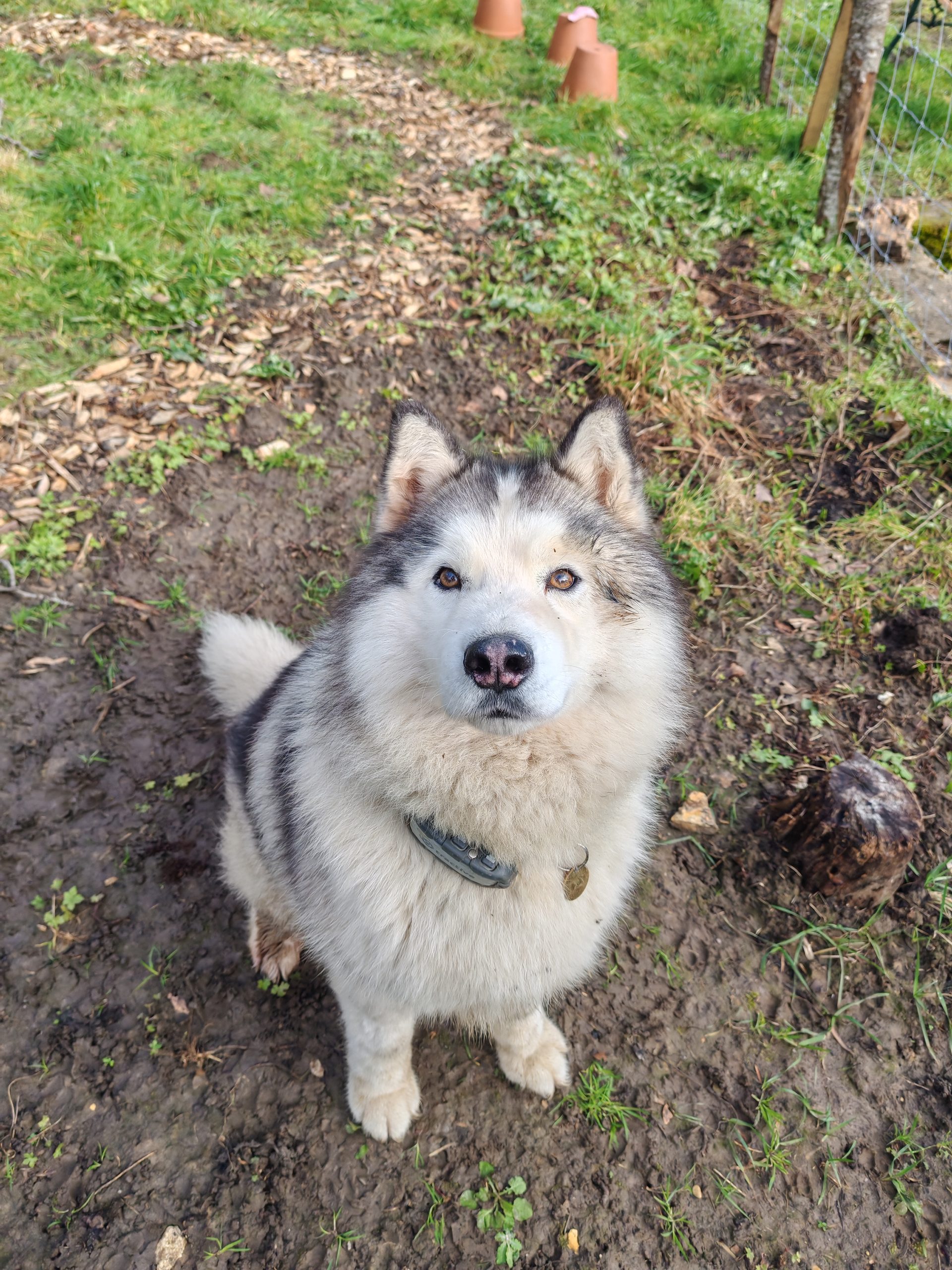
Differences between breeds can be significant. A Border Collie, Australian Shepherd or certain hunting breeds generally need plenty of exercise as well as mental stimulation. They can suit a very active family that has the time and willingness to offer varied activities on a regular basis.
Other dogs have a more moderate rhythm. That does not mean they do not need to go out: every dog needs walks, new experiences and social contact. But some breeds adapt more easily to a less athletic daily routine.
If you are unsure, ask yourself one simple question: how much time are you genuinely willing to give your dog every day, even in winter, when it is raining or when the week is busy?
3. Think about the age of the children
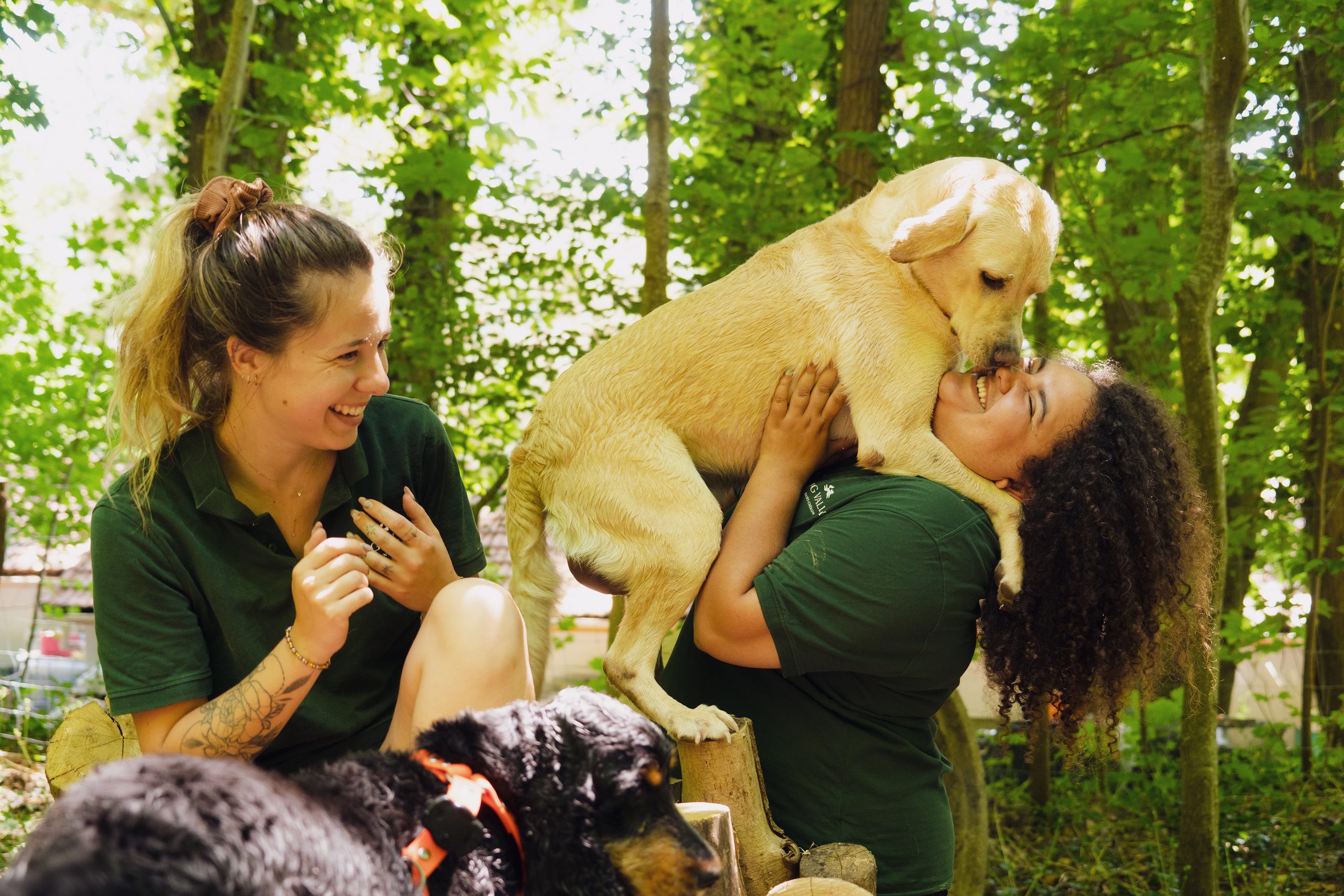
With young children, prioritise a dog with a stable, sociable temperament that is comfortable with the bustle of family life. Size is not the only consideration. Some small dogs are sensitive to rough handling, while large dogs can be very gentle but may accidentally knock a child over.
Breeds such as Labrador Retrievers and Golden Retrievers are often popular with families for their sociability and cooperative temperament. But there are major differences between individuals, bloodlines and breeding conditions. Breed gives tendencies; it never guarantees a dog’s future behaviour on its own. A 2022 study published in Science, involving 18 385 dogs, found that breed explained only around 9 % of the variation in individual behaviour. Breed can therefore provide useful pointers, but on its own it is a poor predictor of the temperament of a specific dog (Morrill et al., 2022).
4. Plan for training and socialisation
An “easy” dog is not a dog that trains itself. From the moment they arrive, they will gradually need to learn to stay alone, walk on a lead, manage their emotions, meet other dogs and people, and understand the rules of the home.
Early socialisation is particularly important. A puppy should discover different situations progressively and positively: noises, transport, children, other dogs, new places and natural environments. This variety of experiences helps build a more adaptable adult dog. A scientific review of puppy socialisation found that varied, controlled and pleasant experiences from an early age are associated with fewer behavioural problems in adulthood, particularly fear and aggression (Howell, King & Bennett, 2015).
5. Do not underestimate grooming and budget
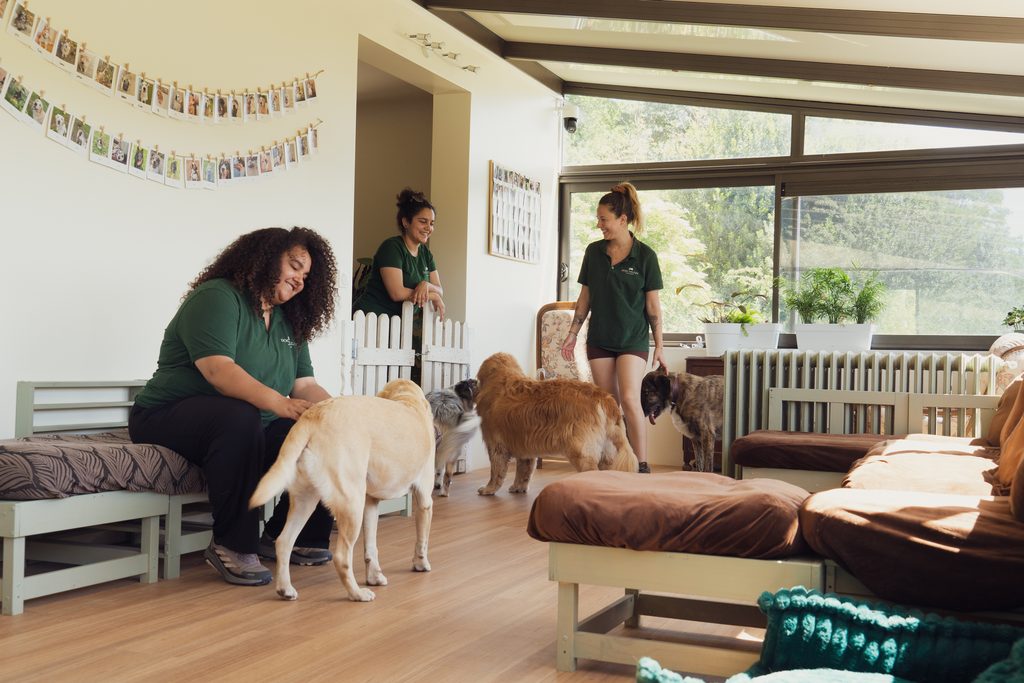
The purchase or adoption price is only a small part of the budget. You also need to plan for food, veterinary care, possible insurance, grooming, training, accessories and care solutions during holidays or long days. If your family travels regularly, it is also worth looking in advance at the type of dog boarding that would suit your dog’s temperament: accommodation, group size, activity rhythm, rest time and daily monitoring can vary considerably from one facility to another.
Coat type matters too. Some breeds require frequent brushing or professional grooming. Others shed heavily despite relatively simple grooming needs. A family that values a very tidy home or has little spare time should take this into account from the start.
6. Meet several dogs before deciding
Breed profiles provide useful guidance, but nothing replaces meeting dogs in person. Talk to responsible breeders, trainers, families who already own the breed and, if you are considering adoption, staff at the shelter or rescue organisation. Ask about the dog’s needs, points to watch and the most common difficulties.
When speaking to a breeder, also pay attention to the parents’ temperament, the puppies’ living conditions, the health tests recommended for the breed and the socialisation work carried out before the puppies leave. Health deserves to be considered alongside temperament: a 2024 study published in Scientific Reports, based on more than 580 000 dogs in the United Kingdom, highlights differences in longevity according to breed, size and morphology (McMillan et al., 2024).
So what is the best breed for a family?
There is no universally ideal breed. The best dog for your family is the one whose needs, temperament and activity level are compatible with your daily life. A Labrador may be wonderful in one family and too energetic in another; a small dog may be perfect in the city but uncomfortable in a very busy household.
Before choosing, take time to define your lifestyle, your constraints and what you genuinely want to share with your future companion. Thinking this through in advance is one of the best ways to build a balanced and lasting relationship with your dog.
The 5 key criteria for choosing a family dog
⚡ Energy level
Choose a dog whose daily activity needs genuinely match your family’s rhythm.
🐕 Individual temperament
Breed gives general tendencies, but it is not enough to predict the behaviour of a specific dog.
👨👩👧 Compatibility with children
Prioritise a stable, sociable dog that is comfortable in a family environment, whatever their size.
🌿 Socialisation and training
Positive, varied and progressive experiences from an early age support better adaptation to everyday life.
❤️ Health and practical constraints
Learn about breed predispositions, grooming, budget, care needs and the long-term availability the dog will require.
In summary: the best dog breed for a family is not the one at the top of a ranking, but the one whose needs, temperament and characteristics are compatible with the household’s real lifestyle.